

Addressing Privilege Creep: Strategies for Maintaining Least Privilege


Addressing Privilege Creep: Strategies for Maintaining Least Privilege
Organizations of all sizes across various sectors can encounter privilege creep, a situation where employees amass access permissions they no longer need due to changing roles and responsibilities.
The accumulation of unnecessary privileges can open up privilege escalation pathways that threat actors can follow to gain unauthorized access to sensitive data, putting organizations at risk for potentially significant data breaches as a result.
To help you keep your networks and systems running at their very best, this blog is going to take a closer look into the factors contributing to privilege creep and present actionable strategies for maintaining The Principle of Least Privilege (PoLP).
What is Privilege Creep?
Privilege creep, also known as privilege sprawl, permissions creep, or access creep, refers to the unintended accumulation of access rights and permissions by employees beyond what’s necessary for their current job functions.
The issue commonly arises when employees are promoted or take on new roles without a corresponding adjustment in their access privileges. As a result, they retain permissions that are no longer relevant to their current responsibilities.
Privilege creep can pose a serious security risk for organizations, as it increases the chances of data breaches, insider threats, and compliance violations. Therefore, it is important to understand what privilege creep is and how to prevent it.
How does Privilege Creep Occur and Why is it so Common?
The primary causes of privilege creep include role changes and promotions, where employees carry forward access from their previous roles and positions. NIST PR.AC-1 calls out explicitly that account permissions should be reviewed upon new access requirements.
As job responsibilities shift, additional access rights may be granted without revoking outdated ones. On top of this, a lack of regular access reviews allows these outdated permissions to persist.
These security risks can be quite staggering—in fact, over 2,200 cyberattacks take place every day, with one occurring every 39 seconds on average. These attacks range from simple phishing attempts to sophisticated data breaches, making it essential for you to take every necessary precaution to keep your organization safe.
6 Common Scenarios that Lead to Privilege Creep
Accumulation of privileges can occur in various scenarios within an organization, often unintentionally, leading to potential security risks. Here are a few common scenarios:
1. Role Change - When employees change roles or departments, they often retain access rights from their previous positions. Without a regular review and adjustment of permissions, these individuals may accumulate unnecessary privileges over time.
2. Offboarding - When employees leave an organization, inadequate offboarding processes can result in lingering accounts with elevated permissions. These dormant accounts can be exploited if not properly deactivated.
3. Temporary Access Requests - Temporary access granted for specific projects or tasks may not be revoked once the task is completed. Over time, these temporary permissions can accumulate, providing more access than necessary.
4. Group Membership - Users may be added to groups with elevated permissions to access certain resources. Without regular audits, users can accumulate nested privileges from multiple group memberships, leading to unintended access levels.
5. Shadow IT and Unauthorized Applications - Users may utilize unauthorized software or tools that require elevated permissions, inadvertently granting themselves or others unnecessary privileges.
6. Shared Accounts - Shared accounts can accumulate privileges as multiple users with varying needs access them. Tracking and managing the permissions associated with these accounts can be challenging.
The Risks and Consequences of Privilege Creep
Privilege creep introduces several security risks and operational challenges that organizations must address. These include, but aren’t limited to:
Possible unauthorized access to sensitive data in your systems. Employees with excessive permissions can access confidential information beyond their job requirements, increasing the risk of data breaches. These breaches can result in substantial financial losses and damage to the organization’s reputation.
Inefficiencies in system management. Administrators must manage a complex web of permissions, making it challenging to guarantee that access rights are appropriately assigned and maintained.
These concerns aren’t just exclusive to source code or confidential data, either. In fact, even sourcing media from digital asset management libraries must be conducted in a manner that effectively prioritizes security at all times, as even asset management firms aren’t safe.
Furthermore, the potential for internal threats grows when employees have more access than they need. Disgruntled employees or those with malicious intent can exploit these excessive permissions, posing significant risks to the organization’s security and stability.
How to Identify Privilege Creep in Your Organization
Identifying privilege creep in your organization requires a systematic approach to auditing and reviewing your organization’s access rights.
Regular access audits are essential for maintaining security, where you must periodically review user permissions to make sure that they’re appropriate for current job functions. Automated tools can assist in this process by tracking access rights in real-time and highlighting anomalies that may pop up.
How to Avoid Privilege Creep
Effectively preventing privilege creep starts with implementing least privilege policies policies, which involve defining clear access rights for each role within the organization. Doing so makes sure that employees have only the necessary permissions for their specific job functions.
New hires should begin with minimal access, receiving additional permissions only as their responsibilities grow. Identity governance and administration (IGA) tools, and Privilege Access Management (PAM) tools, are essential for monitoring and managing your organization’s access rights, which can help you enforce these policies more effectively.
Creating a strict access policy that details the procedures for granting, reviewing, and revoking permissions is also essential for maintaining control over user access.
Role-based access control or RBAC is another powerful tool in preventing privilege creep. By assigning permissions based on roles rather than individuals, Implementing RBAC in your systems can help simplify access management while reducing the likelihood of having excessive permissions with your users.
Regularly updating roles and associated permissions is important to make sure that they remain aligned with current job functions. For instance, when an employee's role changes, their access rights should be promptly adjusted to match their new responsibilities.
You also need to continuously review and refine your RBAC policies so that access for users remains secure across the board.
Key Tools and Technologies for Managing Access
Choosing the right tools and technologies for managing access is important for preventing privilege creep and maintaining strong security. Of course, as a baseline starting point to enhance your security overall, it's important to have a reliable and easy-to-use MFA solution. Make sure you are enforcing multi-factor authentication (MFA) for all users, applications, and devices.
To further help prevent privilege creep and protect your data, access management or identity and access management software is one of the best options to utilize to keep permissions in check.
Some of the more popular solutions on the market, like Okta, Microsoft Entra ID, and others offer features for managing basic user access and permissions. When selecting access management software, look for features such as user provisioning, role-based access controls, and detailed reporting.
These features help streamline the process of granting and revoking access so that permissions are always aligned with job functions.
Automation and monitoring are also vital components of effective access management:
Automated privilege management reduces the risk of human error and ensures consistent enforcement of access policies.
Real-time monitoring and alert systems provide immediate notifications of any unusual access activities, allowing for prompt investigation and response. For example, if an employee suddenly accesses (or attempts to gain access to) sensitive data outside their typical role, the system can alert administrators to take appropriate action.
Creating a Broader Culture of Security
Creating a culture of security within an organization involves instilling a security-first mindset among all employees, making them aware of their important role in protecting the company's data and systems.
Fostering a Sense of Accountability
Trying to actively encourage your employees to take responsibility for access management is essential. After all, they’re not just protecting themselves from identity theft, but they are playing a critical role in keeping their entire organization from potentially catastrophic damage.
You can achieve this by clearly defining roles and responsibilities related to data access and regularly reinforcing the importance of following security protocols.
Implementing robust training programs that include real-life scenarios can help employees understand the implications of security breaches and the importance of their role in preventing them.
Implementing Continuous Improvement
Your security policies and procedures shouldn’t be static; instead, they need regular updates to address emerging threats.
Noting this, you should actively encourage your employees to provide feedback on existing security measures that can lead to valuable insights and improvements.
Regularly scheduled security audits and assessments can identify vulnerabilities and other risks, and involving employees in these processes can enhance their understanding and commitment to your ongoing security practices.
Keeping Your Organization Safe from Privilege Creep
Privilege creep presents a significant threat to both your company’s security and the efficiency of your operation. However, by proactively identifying and addressing this issue, organizations can protect their sensitive data while maintaining streamlined access management.
With each of these key strategies in place, your organization can effectively combat privilege creep to protect against users gaining unauthorized access to your systems and any resulting data breaches.
To further safeguard your organization, take advantage of BeyondTrust's complimentary identity security assessment and identify potential vulnerabilities in your access management processes.

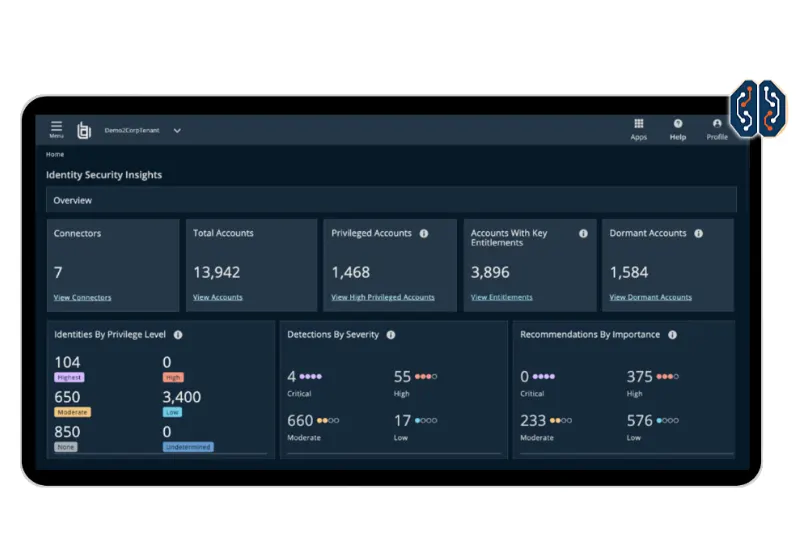
If you’re on the market for a more comprehensive solution, use Identity Security Insights® by BeyondTrust. This tool consolidates privilege and access data from various applications into a single dashboard, allowing security teams to efficiently review access rights. as well as uncover identity vulnerabilities and other threats.
Recognizing red flags is another important aspect of identifying privilege creep. Unusual access patterns, such as employees accessing systems or data outside of their job scope, can indicate privilege creep.
Similarly, access rights not aligned with job functions are a clear sign that permissions need to be reviewed and adjusted. For example, if a marketing employee has access to financial systems, it suggests that their access rights are not properly managed.