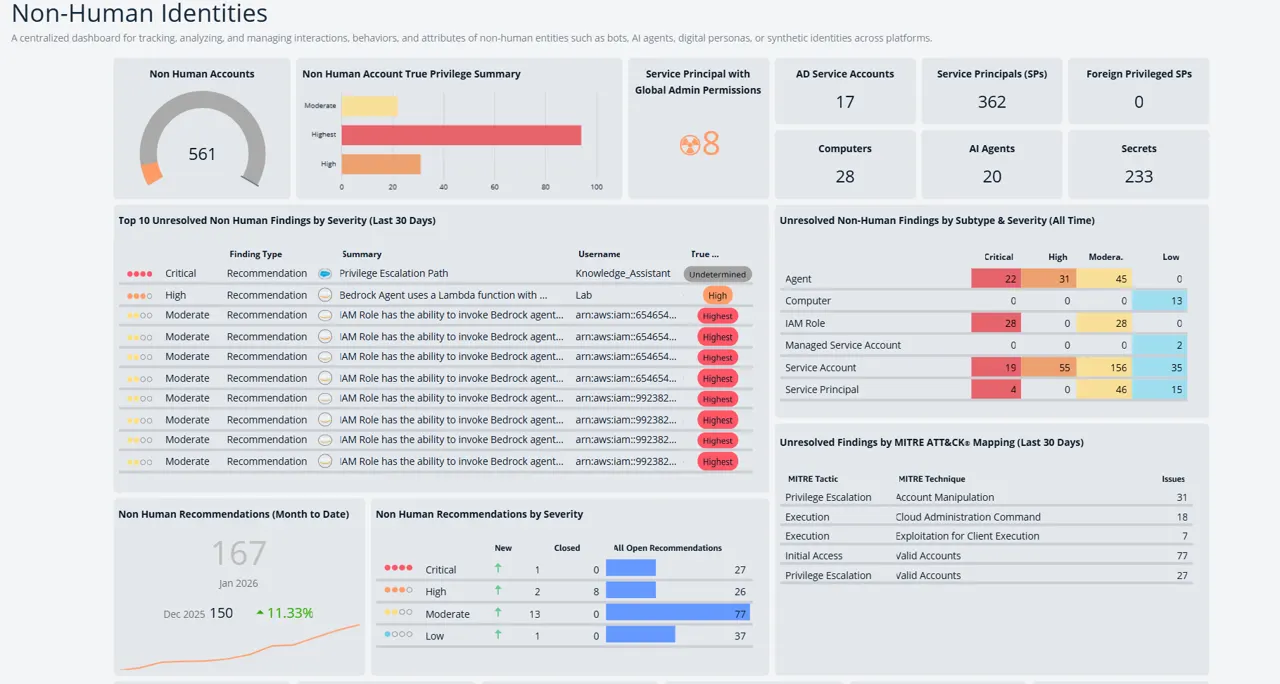
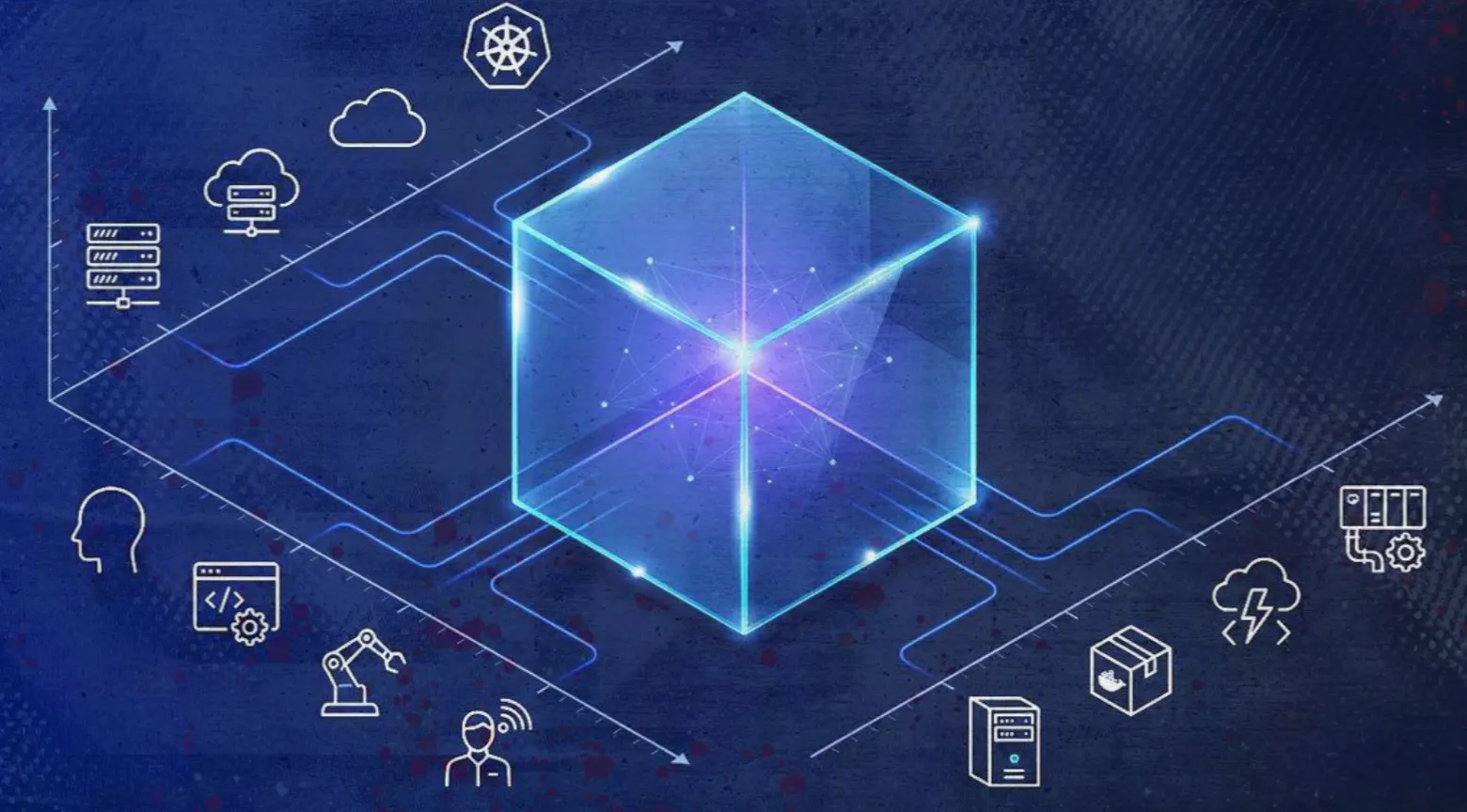

From our perspective, Machine identities is a term that includes the superset of identities for devices (hardware) and workloads (software). Workload identities and credentials are often (somewhat inaccurately) referred to as “NHIs” or non-human identities.
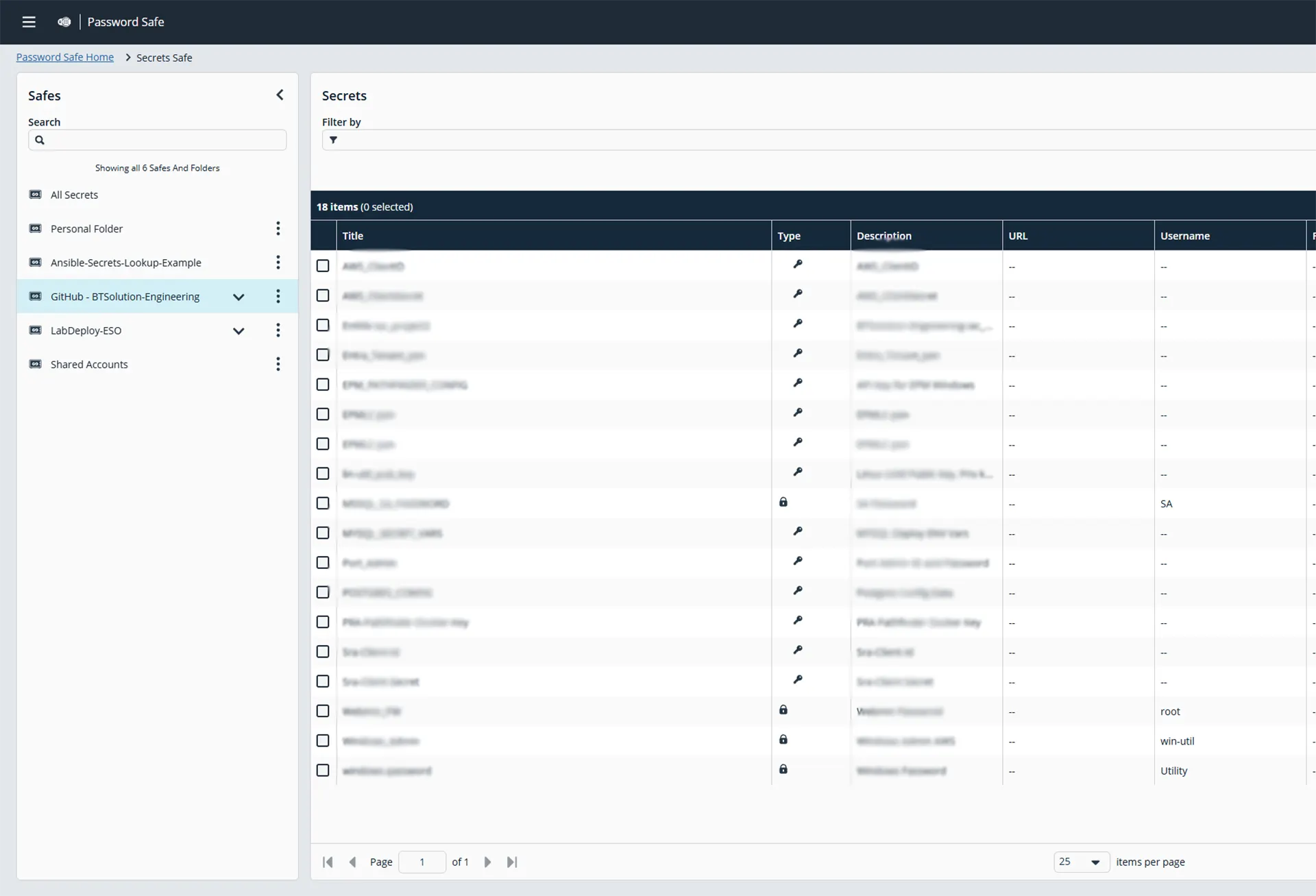
Workload identities are assigned to software-based entities such as applications, automation bots, containers and Kubernetes pods to enable machine-to-machine authentication and authorized access. These identities are instantiated as principals (for example, service accounts) and authenticated using credentials such as certificates, tokens and secrets (e.g., API keys).
A machine identity provides a trusted way for people, applications, and systems to verify that the machine they are communicating with is legitimate and expected. As a best practice for oversight and accountability, every machine identity should be owned by a team or individual.
NHIs also encompass the subset of autonomous AI identities (AI agents, LLMs, and co-pilots with action rights). To learn how BeyondTrust secures agentic AI, visit our solution page here: https://www.beyondtrust.com/solutions/ai-security